
Understanding the psychology behind gambling What drives players to take risks
The Allure of Risk and Reward
The psychology of gambling often revolves around the thrill of risk and the potential for reward. Many players are drawn to the excitement that comes from placing bets and the anticipation of winning. This rush can trigger the release of dopamine, the neurotransmitter associated with pleasure and satisfaction. Consequently, the prospect of a big win can lead individuals to engage in gambling behaviors that they might typically avoid in their everyday lives. For those looking for diverse gaming options, Pin Up is an appealing choice.
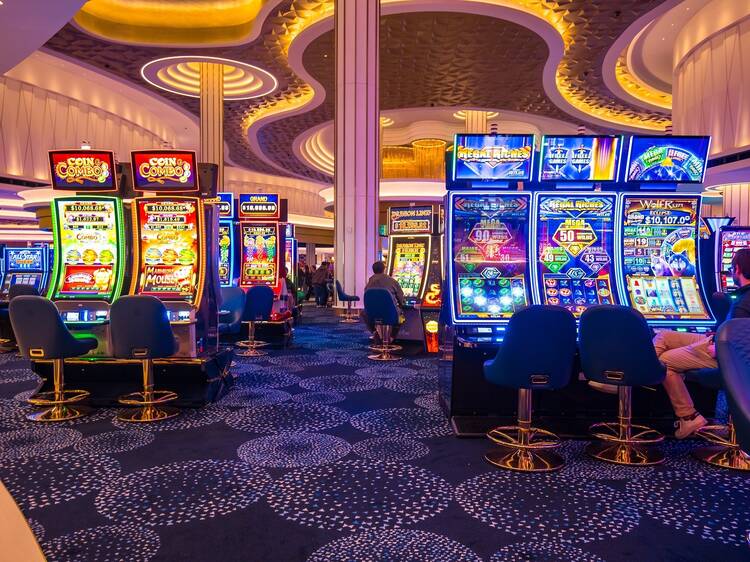
Moreover, the unpredictability of outcomes plays a significant role in attracting players. Unlike many aspects of life where outcomes can often be predicted or controlled, gambling introduces an element of chance that adds to the excitement. This uncertainty can be exhilarating, leading players to return repeatedly in hopes of experiencing that rush again, even when they know the odds may not be in their favor.
The Influence of Cognitive Biases
Cognitive biases significantly affect how players perceive their chances of winning. For instance, the illusion of control can lead gamblers to believe they can influence outcomes through skill, despite the random nature of many games. This belief can encourage continued participation, as players may feel confident in their ability to succeed despite evidence to the contrary.
Another common bias is the gambler’s fallacy, where individuals believe that past events can influence future outcomes. For example, if a slot machine hasn’t paid out in a while, a player might think it’s “due” for a win. Such misconceptions can drive players to take greater risks, often leading to increased financial loss.
The Social Aspect of Gambling
Gambling is often a social activity, with many players enjoying the camaraderie and shared experiences with others. Whether in a casino setting or an online platform, the interaction with fellow gamblers can enhance the thrill of the game. The communal atmosphere fosters a sense of belonging, which can make the experience more enjoyable and encourage players to take risks they may not take alone.
Additionally, social factors such as peer pressure can also influence gambling behaviors. When friends or family members are involved, individuals may feel compelled to join in, often leading to increased spending and risk-taking. The desire to fit in or impress peers can sometimes outweigh rational decision-making, resulting in impulsive gambling choices.
The Impact of Marketing and Promotions
Marketing plays a crucial role in shaping gambling behaviors and influencing players’ decisions. Promotional offers, such as bonuses or free spins, create a perception of increased value and can entice players to try their luck. These marketing strategies are designed to capitalize on players’ psychological triggers, making them feel that they are gaining an advantage, even when the house always has a statistical edge.
Additionally, the design and aesthetics of gaming environments, both online and offline, are crafted to enhance the gambling experience. Bright lights, engaging sounds, and the thrill of immediate rewards contribute to an immersive environment that can overshadow rational judgment, compelling players to take bigger risks in pursuit of excitement and winnings.

Pin Up Casino: A Safe Environment for Gamblers
Pin Up offers a platform where players can engage in gambling with a focus on safety and responsibility. With a wide array of games and betting options, including slot games, it caters to both seasoned players and newcomers. The platform emphasizes secure transactions and provides robust customer support, ensuring that players feel confident while enjoying their gaming experience.
Moreover, Pin Up promotes responsible gambling practices by encouraging players to set limits and be aware of their spending. With ongoing promotions and a loyalty program, the casino aims to enhance player engagement while fostering a safe and enjoyable gambling environment. This commitment to player safety can help mitigate some of the psychological risks associated with gambling, creating a healthier experience overall.